
Meet the Speaker – Chantale Bernatchez
Ahead of the 8th TIL Therapies Summit, we spoke with Chantale Bernatchez, Head of Process Development at CTMC, to discuss the progress and challenges shaping the TIL therapy landscape.
In this interview, she shares her perspective on manufacturing scalability, potency analytics, and product characterization, while highlighting the importance of collaboration, automation, and strategic partnerships in accelerating TIL development across solid tumors.

What excites you most about partnering with and participating in the 8th TIL Therapies Summit this year?
The TIL Summit is always a great opportunity to meet new companies developing TIL therapies while also hearing from established biotechs about the progress they have made over the past 12 months. Additionally, I like to share how platform technologies developed at CTMC can help TIL therapy developers, while continuing to learn about emerging technologies that have the potential to streamline TIL manufacturing.
As TIL therapies continue to advance beyond melanoma and into broader solid tumor indications, what conversations are you most looking forward to having with cell therapy developers at the summit?
Since many attendees have participated in the TIL Summit for the past several years, we have had the opportunity to hear about both accomplishments and challenges. TILs remain the most challenging modality, even with the platform improvements and activation and expansion advantages achieved with our reagents. I look forward to hearing clinical data updates on TIL selection strategies and next generation TIL products and TIL manufacturing approaches.
What makes this year's TIL Therapies Summit such an important meeting for the cell therapy community, and why is now the right time to be part of the discussion?
Having a forum to openly share learnings, both gains and challenges, remains the biggest opportunity for attendees. We are still a small community which is nonetheless gaining maturity with one FDA approved product, AMTAGVI, one engineered TIL product having reached pivotal trial in the US (OBX-115) and multiple next generation / engineered TIL products in early phase trials in the US and around the world. We are learning from each other about the efficacy of different manufacturing TIL approaches and TIL engineering strategies in different solid tumor indications.
From manufacturing and analytics through to commercialization and patient access, where do you see the biggest challenges facing TIL developers today?
Potency assays remain one of the greatest analytical challenges for cell therapies in general, but especially TILs, as we learn that the baseline regulatory expectations do not necessarily capture the full complexity or therapeutic potential of the product. Ultimately, better potency analytics will be critical to improving manufacturing consistency, strengthening product quality, and advancing the field toward more predictable clinical outcomes.
Additionally, scalability without compromising quality is an area we are all focusing on which remains more challenging with variable starting material. TIL therapy must adapt to material from different tumor types and to the evolving treatment landscape that shapes the fitness of the starting cells since each product begins and ends with the patient.
Based on your experience supporting cell therapy companies, what capabilities or innovations are becoming increasingly critical to accelerating TIL development and scaling?
As there are no single critical quality attributes identified for TIL therapy that correlate with how efficacious the product is after infusion, measures of potency have relied on assays evaluating different T-cell biological functions thought to participate in the mechanism of action of the product. The lack of a clinical marker of activity makes it difficult to assess whether manufacturing process changes, which inevitably occurs as the product moves through clinical development, will alter the clinical response to the TIL product. To this end, TIL developers must continue performing deep characterization of the products to identify critical quality attributes that are meaningful to the product performance in the patient.
Critical to the market success of the product is a robust manufacturing process that will ensure out of specifications products (OOS) are reduced to a minimum from early development and especially in the commercial setting. Part of the manufacturing robustness for TIL therapy is to ensure TIL can be successfully expanded from any sample, even from a heavily pre-treated patient or a tumor sample that is not highly infiltrated. CTMC’s TIL platform process has been optimized to reduce the required tumor tissue size required to proceed with TIL manufacturing down to a core needle biopsy excision. This advance removes the need for a surgical excision to procure tissue for TIL expansion, which accelerates the time to treatment as core needle biopsies can generally be scheduled faster than surgeries, and constitute a less invasive, less painful procedure, that can potentially increase access for patients and reduce time to treatment.
At this time, TIL manufacturing processes can be performed with mostly closed system manipulations but tend to involve many manual operations. The next step to improve scalability will be to develop automated processes as enabling technologies are now accessible.
Looking ahead, how do you see the TIL therapy landscape evolving over the next five years, and what role will partnerships play in helping bring these therapies to more patients?
Partnerships are key to advancement in the TIL space. For first in human TIL studies, accelerating the time to IND filing and first patient treated are important levers to success. Partnering with the right development and manufacturing organization is a crucial decision. CTMC’s integrated co-development model, in close collaboration with clinicians from UT MD Anderson, was elaborated to solve this problem. We have successfully taken ten CAR-T and TIL products through early phase studies and have now expanded our capabilities to support our partners through later phases of development, with one of our TIL partners reaching pivotal stage.
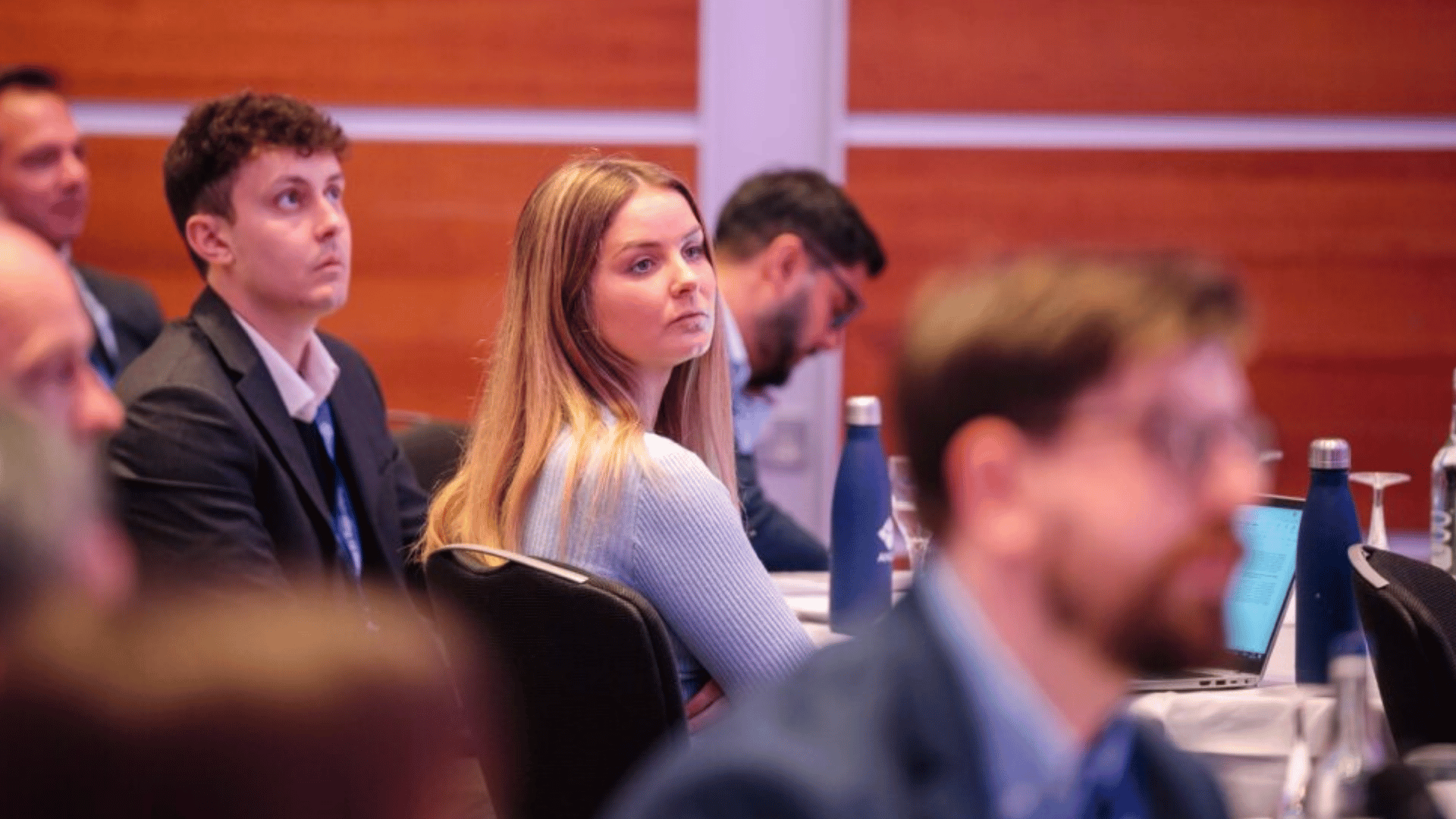
Explore the Agenda
Hear the latest breakthroughs for KSQ, Obsidian, AgonOx, in TIL therapy and gain exclusive scientific insights during our packed agenda, interactive roundtables, and expert-led panel discussions.
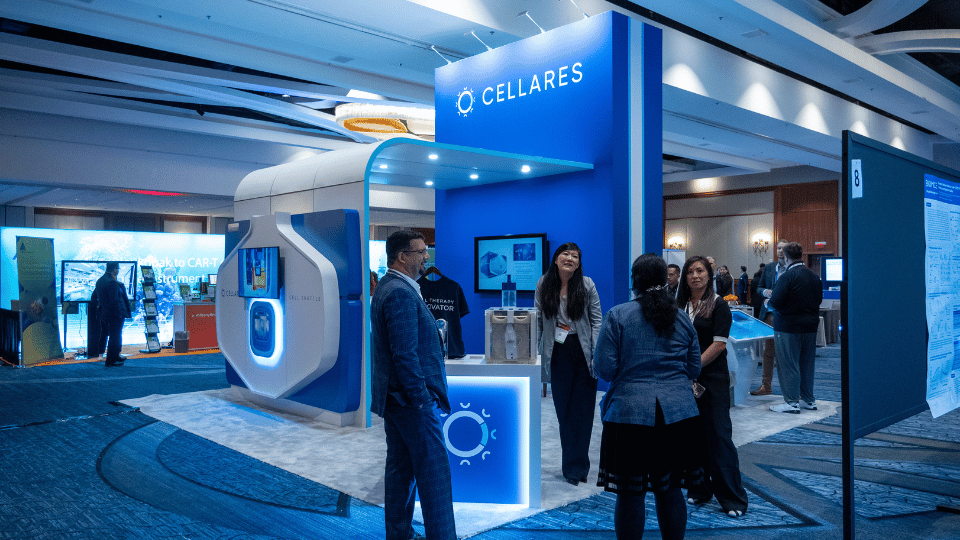
Partner With Us
Position your brand alongside leading solution providers, the 8th TIL Therapies Summit is where you can position your company as the name in TIL therapy.
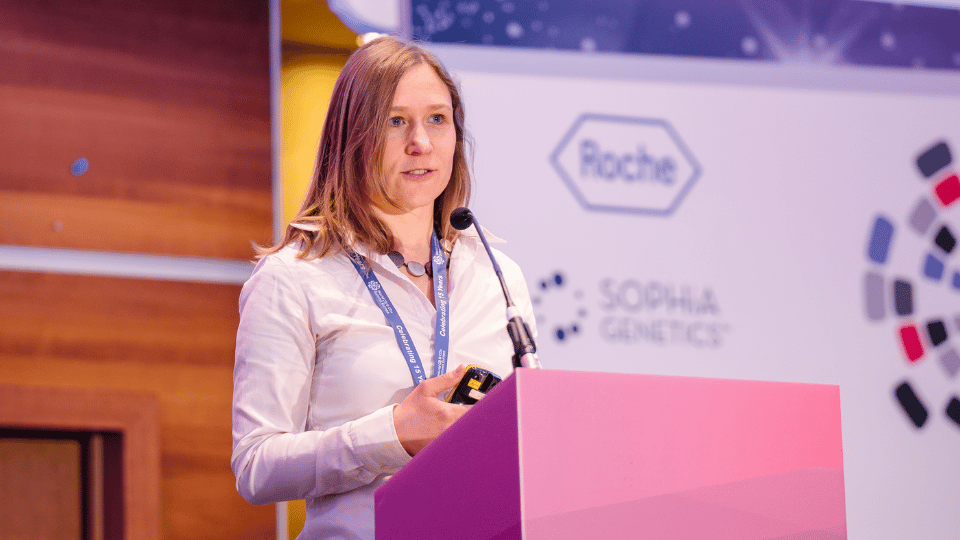
Join TIL Therapy Experts
Be part of the most important conversations in cell therapy, connecting with attendees spanning every stage of TIL development.