
Understanding the Strategies and Innovations Being Explored to Enhance TIL Persistence and Drive More Durable Clinical Responses
Achieving durable clinical responses remains one of the most important goals in TIL therapy development.
While TIL therapies have demonstrated impressive anti-tumor activity, long-term persistence within the patient is often associated with improved therapeutic outcomes. As a result, developers are increasingly focused on understanding the characteristics that contribute to sustained TIL activity following infusion.
One area of investigation is TIL composition. Researchers continue to evaluate which T-cell subsets are most strongly associated with persistence, expansion, and tumor control. A deeper understanding of these relationships could inform both manufacturing decisions and patient selection strategies.
Gene-editing technologies are also generating interest across the field. By modifying pathways associated with exhaustion, survival, and functionality, developers hope to create more durable TIL products capable of maintaining anti-tumor activity for longer periods.
In parallel, many organizations are assessing combination approaches that may improve the tumor microenvironment and support TIL persistence following treatment. These strategies include cytokine-based therapies, checkpoint inhibitors, and other immunomodulatory approaches.
As next-generation programs advance through development, improving persistence is increasingly viewed as a key lever for enhancing efficacy and expanding the potential applications of TIL therapies across solid tumors.
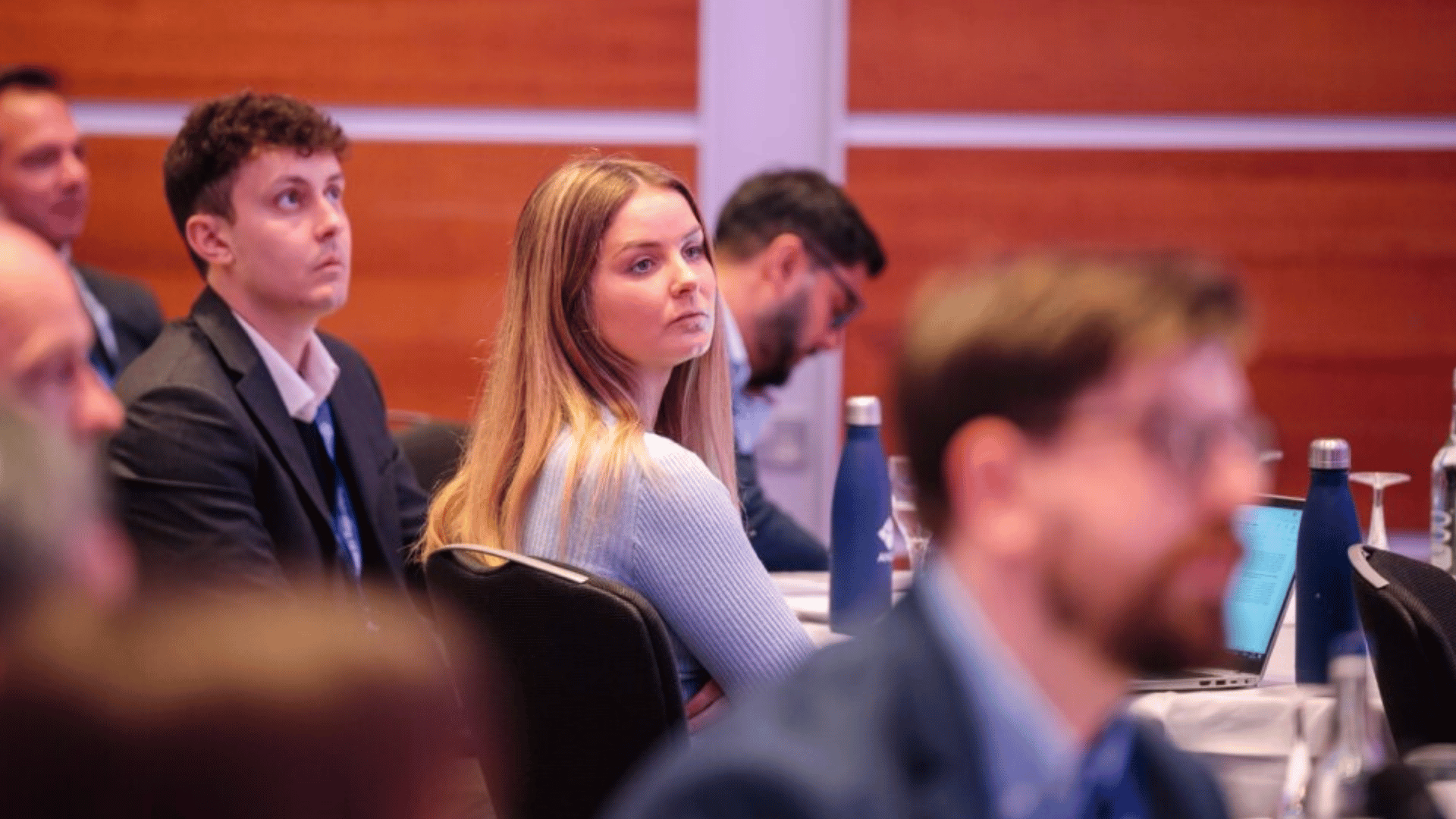
Explore the Agenda
Hear the latest breakthroughs for KSQ, Obsidian, AgonOx, in TIL therapy and gain exclusive scientific insights during our packed agenda, interactive roundtables, and expert-led panel discussions.
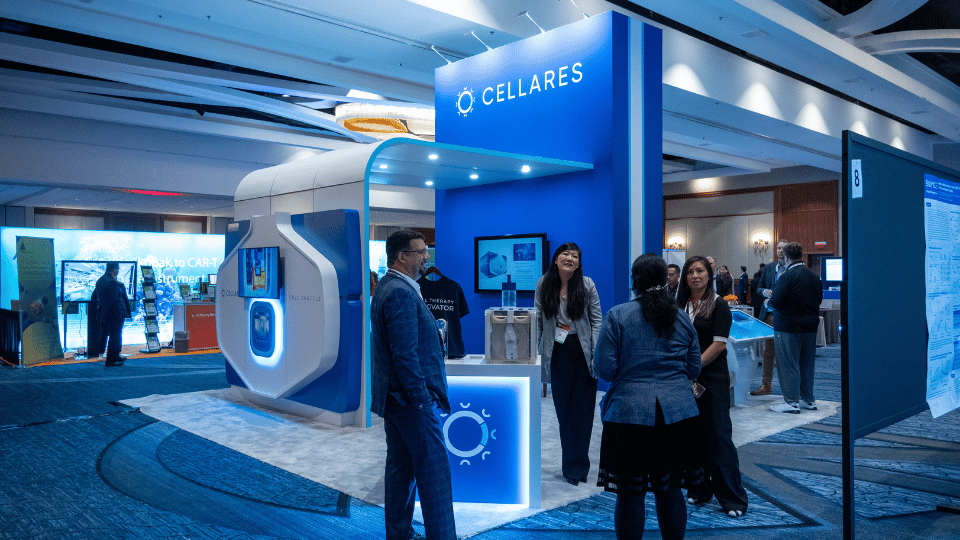
Partner With Us
Position your brand alongside leading solution providers, the 8th TIL Therapies Summit is where you can position your company as the name in TIL therapy.
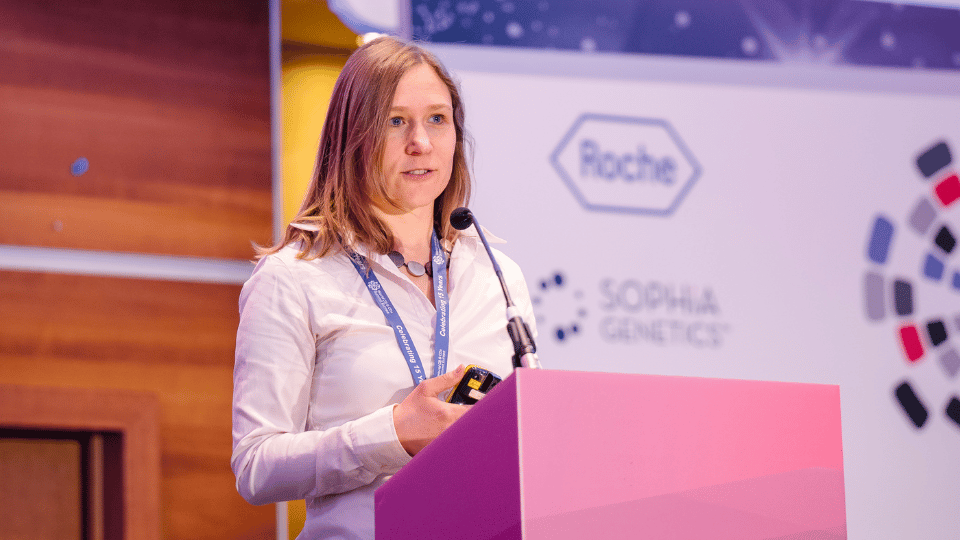
Join TIL Therapy Experts
Be part of the most important conversations in cell therapy, connecting with attendees spanning every stage of TIL development.