
Key Lessons From The First Approved TIL Therapies Are Shaping The Future Of Manufacturing, Commercialization, and Patient Access
The approval of the first TIL therapies marked a significant milestone for the cell therapy sector. However, commercialization represents just the beginning of the journey.
For developers across the field, these first commercial launches provide valuable insights into the practical realities of bringing TIL therapies to patients.
Manufacturing readiness has emerged as a major lesson. Clinical success alone is not sufficient to support commercialization. Developers must also establish reliable manufacturing processes, robust quality systems, and scalable production capabilities capable of meeting future demand.
Patient identification and treatment logistics have also highlighted the importance of operational planning. Successful treatment requires coordination between developers, manufacturing facilities, treatment centers, and healthcare providers. Efficient execution across this ecosystem is essential to delivering therapies within clinically meaningful timeframes.
The first approvals have additionally demonstrated the importance of generating compelling evidence to support adoption. Physicians, payers, and treatment centers all require confidence in both clinical and operational performance before incorporating new therapies into routine practice.
As more companies approach pivotal development and regulatory milestones, these real-world lessons will help shape future commercialization strategies and accelerate the maturation of the TIL ecosystem.
Explore the Agenda
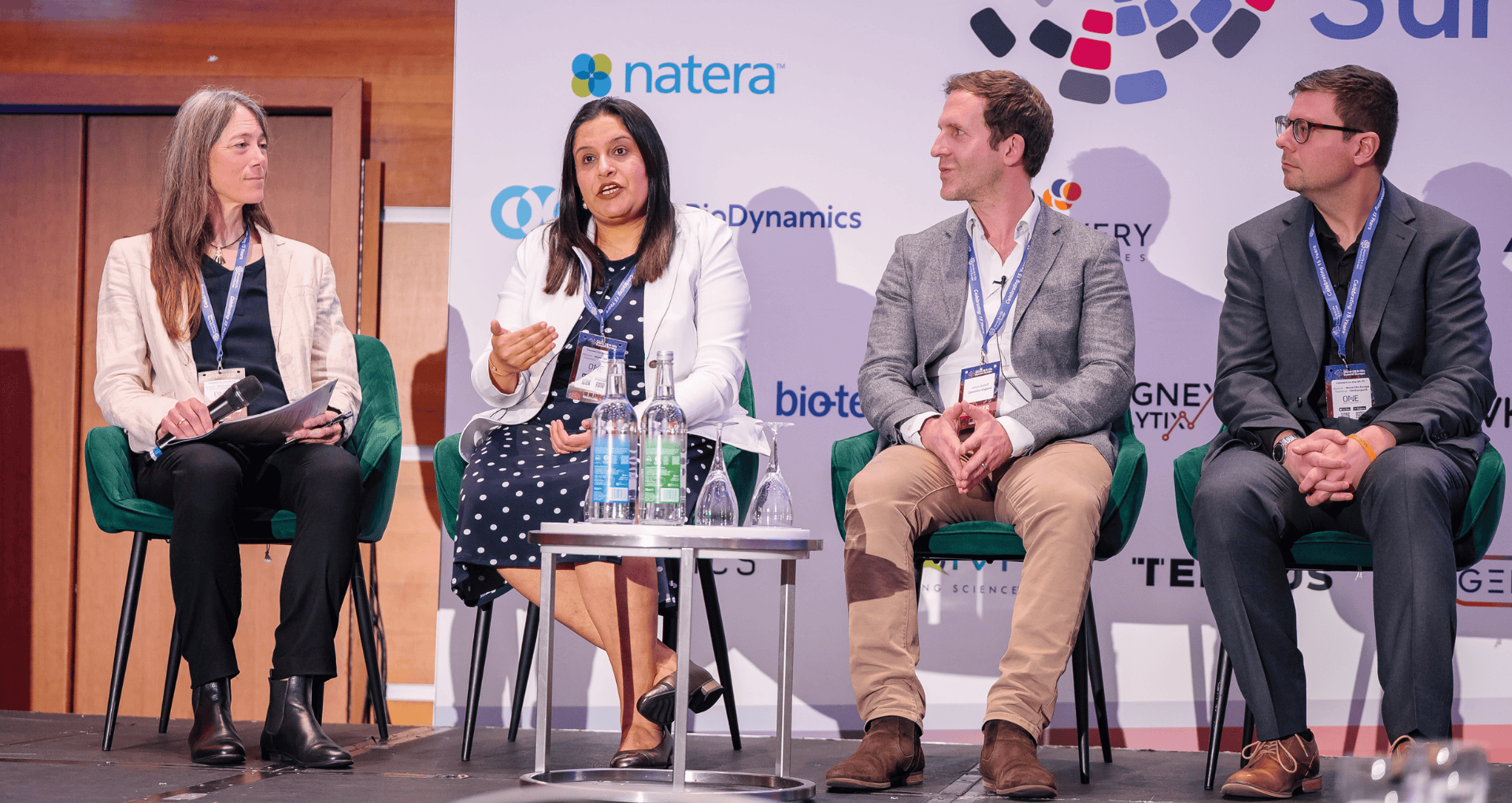
Hear the latest breakthroughs for KSQ, Obsidian, AgonOx, in TIL therapy and gain exclusive scientific insights during our packed agenda, interactive roundtables, and expert-led panel discussions.
Partner With Us
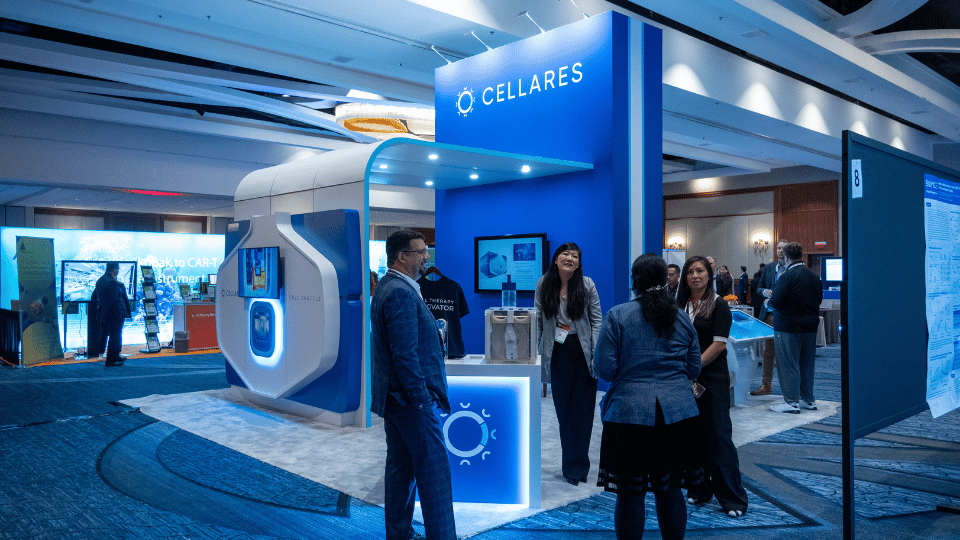
Position your brand alongside leading solution providers, the 8th TIL Therapies Summit is where you can position your company as the name in TIL therapy.
Join TIL Therapy Experts
Be part of the most important conversations in cell therapy, connecting with attendees spanning every stage of TIL development.