
Exploring the Scientific, Manufacturing, and Clinical Innovations Driving TIL Therapy Expansion Across Solid Tumours
Tumor-infiltrating lymphocyte (TIL) therapy has reached a pivotal moment. Following the first regulatory approvals and growing clinical experience in melanoma, attention is increasingly turning toward a broader question: can TIL therapies deliver meaningful outcomes across a wider range of solid tumors?
Expanding beyond melanoma represents a significant opportunity to increase patient access and unlock the full potential of TIL-based approaches. However, applying TIL therapy to indications such as lung, colorectal, ovarian, and head and neck cancers presents a distinct set of biological and operational challenges.
One key consideration is the tumor microenvironment. Many solid tumors exhibit immunosuppressive characteristics that can limit TIL persistence, expansion, and anti-tumor activity. As a result, developers are evaluating novel approaches to improve functionality, including engineered TILs, gene-editing strategies, and combination regimens designed to overcome immune resistance mechanisms.
Manufacturing also remains a critical area of focus. Developers are working to improve the scalability, consistency, and speed of TIL production while maintaining product quality across increasingly diverse patient populations. Advances in automated manufacturing, potency testing, and quality control frameworks will play an important role as programs progress toward commercialization.
As the field evolves, the focus is shifting from proving that TIL therapy can work to understanding where it can deliver the greatest clinical impact. Success in additional solid tumor indications could significantly expand the role of TIL therapies within the broader cell therapy landscape.


Explore the Agenda
Hear the latest breakthroughs for KSQ, Obsidian, AgonOx, in TIL therapy and gain exclusive scientific insights during our packed agenda, interactive roundtables, and expert-led panel discussions.
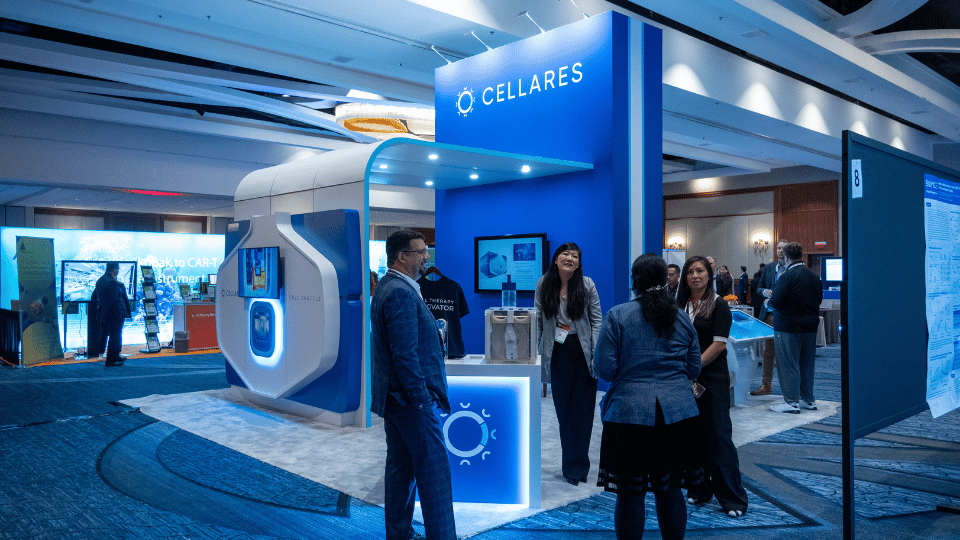
Partner With Us
Position your brand alongside leading solution providers, the 8th TIL Therapies Summit is where you can position your company as the name in TIL therapy.

Join TIL Therapy Experts
Be part of the most important conversations in cell therapy, connecting with attendees spanning every stage of TIL development.