Navigating Variability, Scalability, and Operational Complexity to Deliver TIL Therapies Efficiently and at Commercial Scale
While clinical progress continues to generate excitement across the TIL field, manufacturing remains one of the most significant barriers to broader adoption and commercial success.
Unlike many other therapeutic modalities, TIL therapies require the collection, expansion, and preparation of highly individualized cell products. Each manufacturing run introduces variability that can impact timelines, costs, and ultimately patient access.
One major challenge is consistency. Variability in starting material quality can influence expansion rates, potency, and final product characteristics. Understanding how to identify and manage these factors early in development is becoming increasingly important for developers seeking predictable manufacturing outcomes.
Turnaround time also remains a major consideration. Reducing manufacturing timelines may help ensure patients receive treatment more quickly while improving overall operational efficiency. To address this challenge, organizations are exploring automation, closed-system manufacturing technologies, and optimized workflows.
As programs move toward late-stage development and commercialization, scalability becomes equally important. Manufacturing platforms that perform effectively at clinical scale must also support increased demand while maintaining quality and regulatory compliance.
Ultimately, manufacturing excellence is becoming a competitive differentiator. Developers capable of producing high-quality therapies consistently, efficiently, and at scale will be better positioned to maximize the therapeutic and commercial potential of their TIL programs.


Explore the Agenda
Hear the latest breakthroughs for KSQ, Obsidian, AgonOx, in TIL therapy and gain exclusive scientific insights during our packed agenda, interactive roundtables, and expert-led panel discussions.
Partner With Us
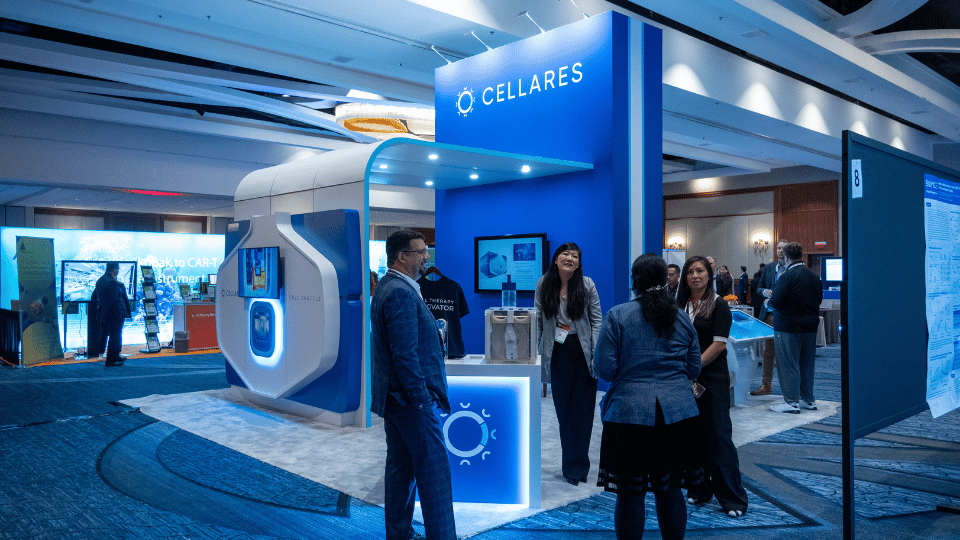
Position your brand alongside leading solution providers, the 8th TIL Therapies Summit is where you can position your company as the name in TIL therapy.
Join TIL Therapy Experts
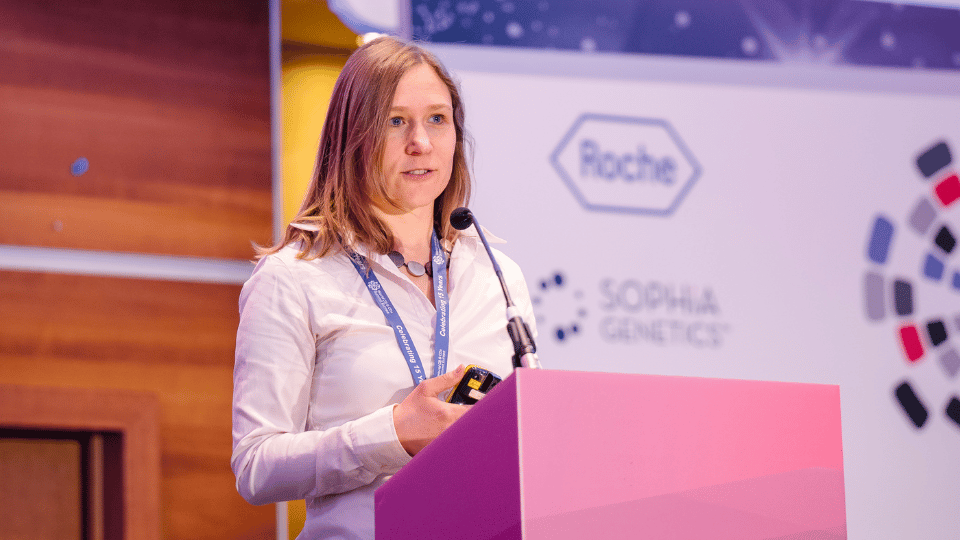
Be part of the most important conversations in cell therapy, connecting with attendees spanning every stage of TIL development.